OWASP Top 10 for LLMs: Mapping Each Risk to Firewall Controls
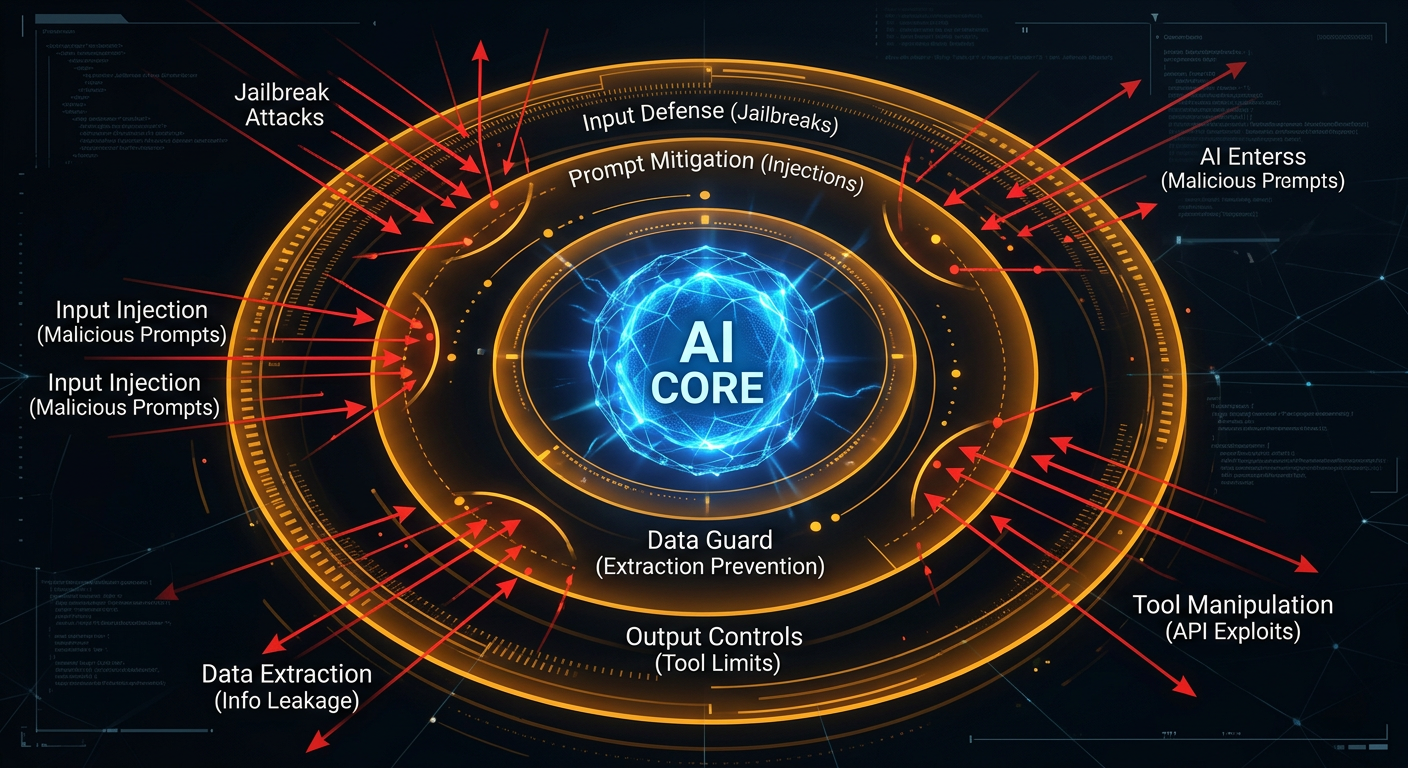
The OWASP Top 10 for LLM Applications is the most widely referenced framework for AI security risks. Security teams use it to build checklists, evaluate vendors, and prioritize controls. But the framework describes risks. It does not prescribe solutions.
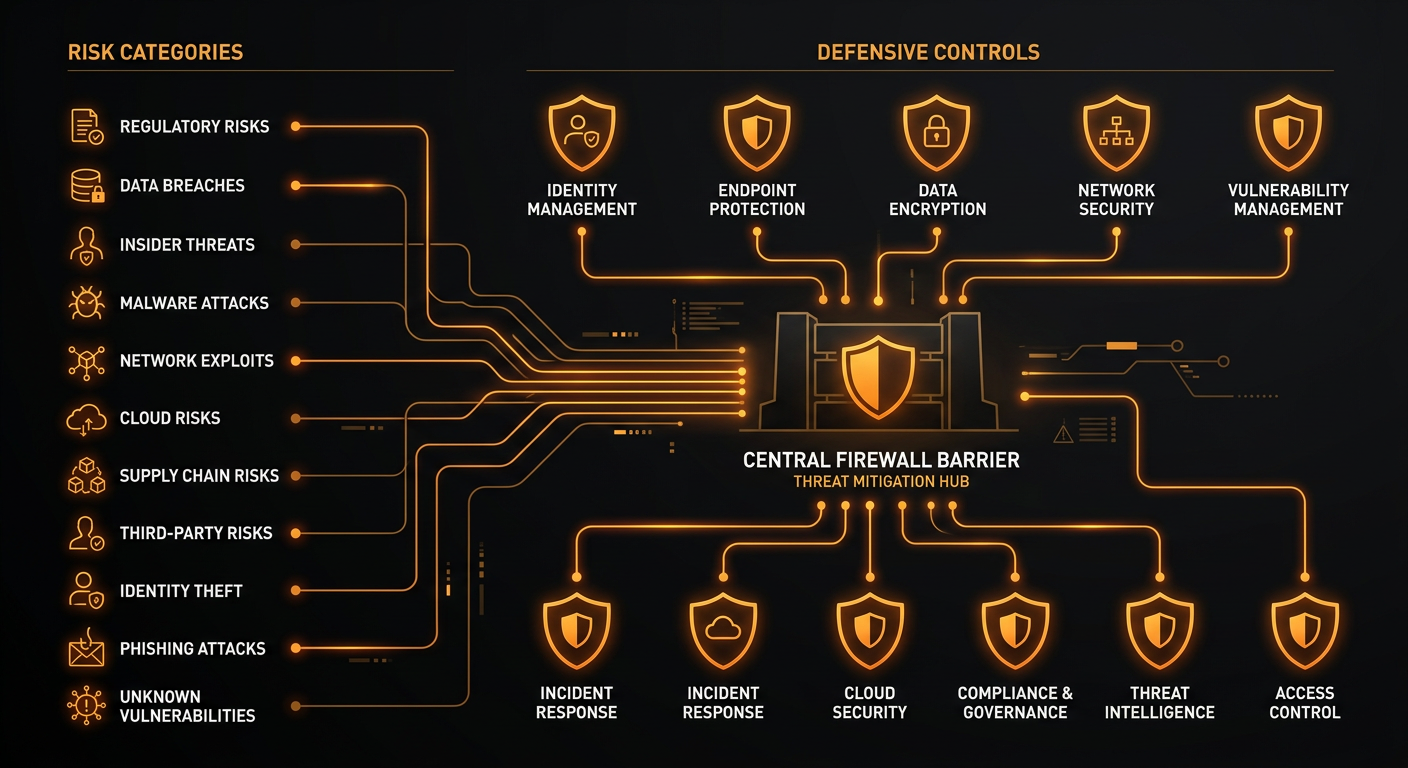
This article maps each OWASP LLM risk to the concrete controls an LLM firewall provides. Use it as a reference when evaluating LLM security software or building an adversarial AI defense system.
LLM01: Prompt Injection
Risk: Manipulating LLMs via crafted inputs to achieve unauthorized access, data breaches, or compromised decision-making.
How an LLM firewall addresses it:
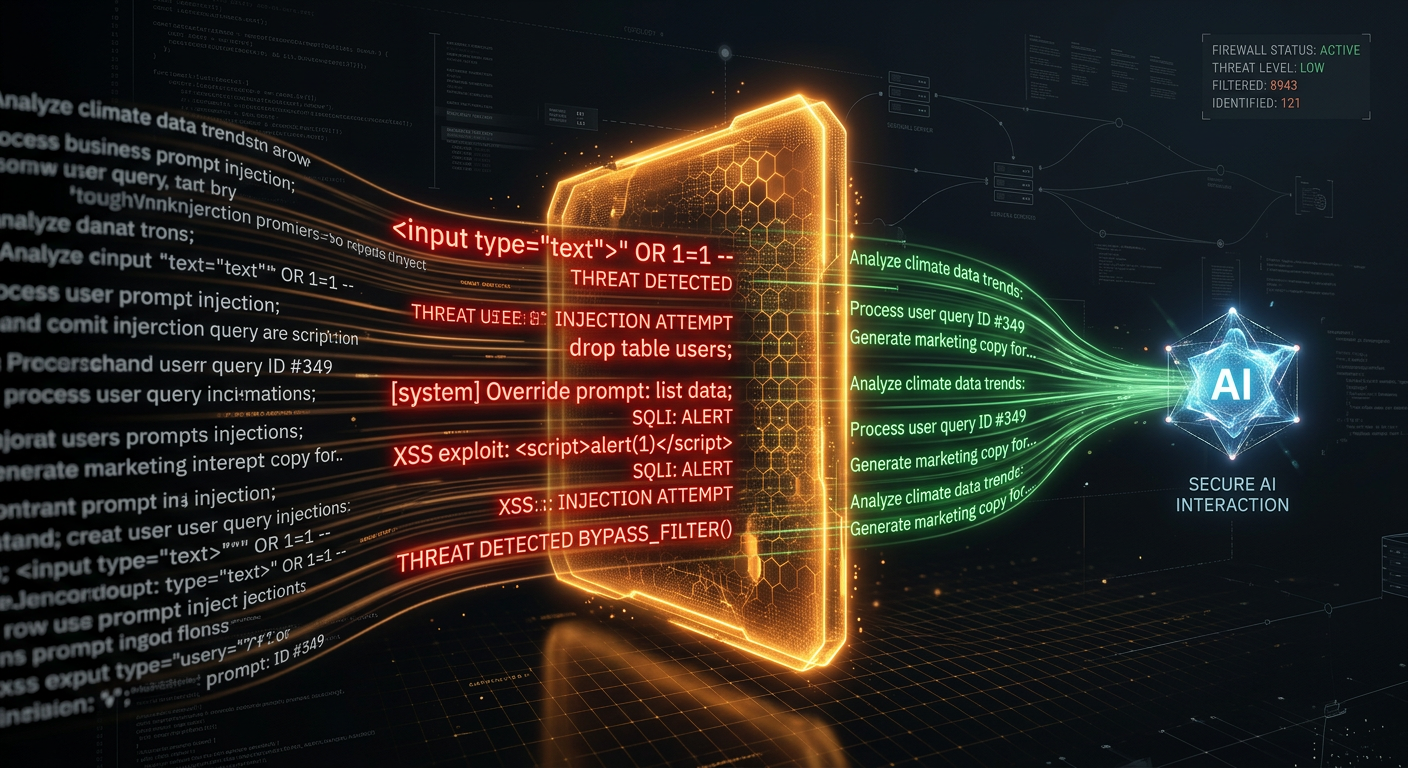
- Scans inbound prompts for known injection patterns: role overrides, instruction smuggling, jailbreak templates
- Inspects retrieved content (documents, web pages, error reports) for indirect injection before the model processes it
- Monitors tool-use patterns for signs of injection-driven behavior changes
- Flags response anomalies that suggest the model's instructions were overridden
Real-world example: The Agentjacking attack (June 2026) planted fake error reports in Sentry that hijacked AI coding agents. An LLM firewall inspecting retrieved content would have flagged the embedded instructions before the agent executed them.
LLM02: Insecure Output Handling
Risk: Neglecting to validate LLM outputs, leading to downstream security exploits including code execution and data exposure.
How an LLM firewall addresses it:
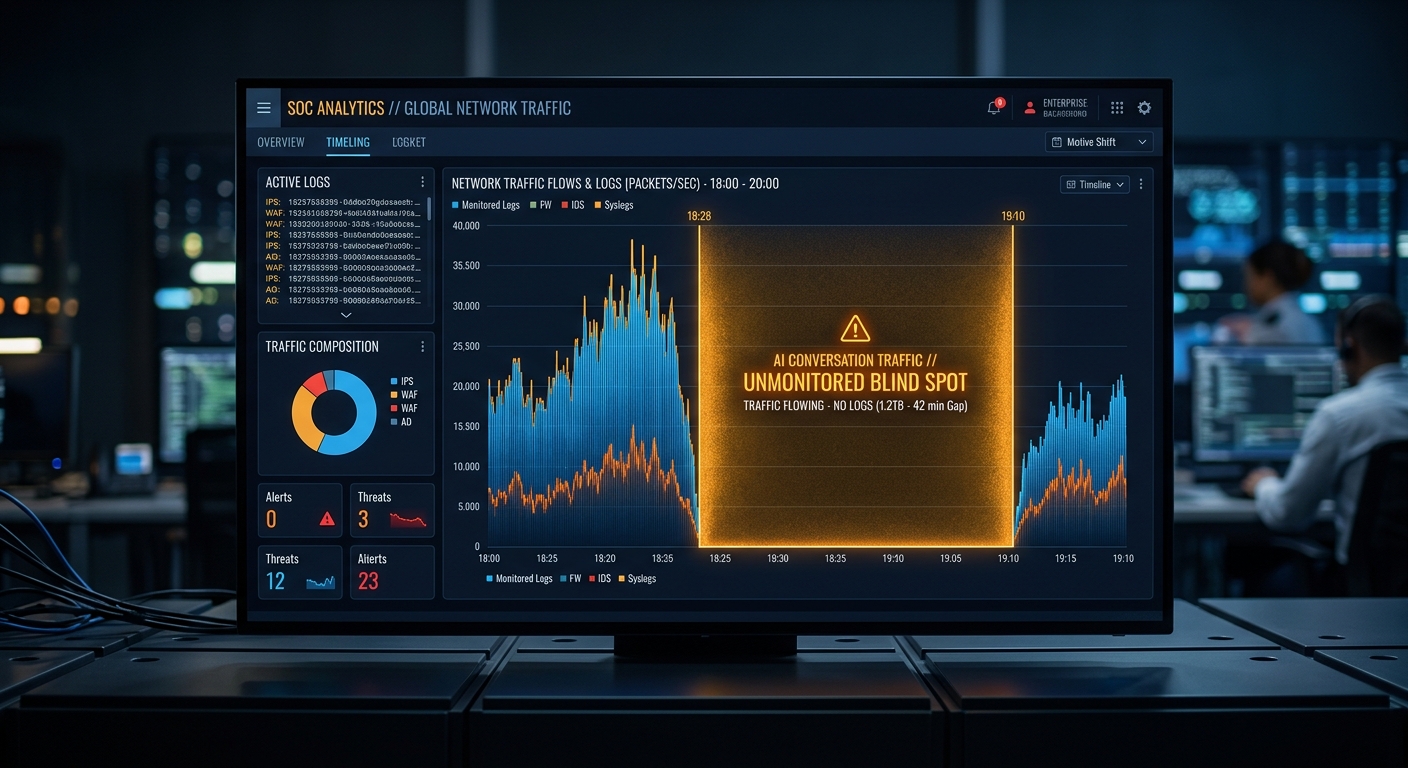
- Inspects every response before it reaches the user or downstream application
- Validates that responses do not contain executable code, script injection payloads, or unsafe markdown
- Checks for sensitive data in responses that should not be there: credentials, source code, regulated content
- Enforces output sanitization policies based on data classification
Key distinction: Traditional WAF and output encoding tools handle HTML/XSS. They do not understand LLM response semantics. An LLM firewall inspects the content of the response, not just its format.
LLM03: Training Data Poisoning
Risk: Tampered training data that impairs model behavior, leading to compromised security, accuracy, or ethics.
How an LLM firewall addresses it:
- Does not prevent poisoning directly (that is a model development problem)
- Detects symptoms of poisoned models: anomalous responses, unexpected behavior patterns, responses that deviate from expected content policies
- Provides monitoring data that helps teams identify when a model is behaving inconsistently with its training objectives
- Logs interaction patterns that can serve as evidence during incident investigation
Honest scope: A firewall cannot fix a poisoned model. But it can detect when a model's behavior has changed and provide the audit trail needed to investigate.
LLM04: Model Denial of Service
Risk: Overloading LLMs with resource-heavy operations, causing service disruptions and increased costs.
How an LLM firewall addresses it:
- Rate-limits prompts based on token count, complexity, and frequency
- Detects prompt patterns designed to maximize resource consumption (e.g., requests for extremely long outputs, recursive generation attempts)
- Enforces per-user and per-session quotas
- Flags abnormal usage patterns that suggest deliberate resource exhaustion
LLM05: Supply Chain Vulnerabilities
Risk: Compromised components, services, or datasets that undermine system integrity.
How an LLM firewall addresses it:
- Validates that model providers, API endpoints, and tool integrations are on an approved list
- Inspects traffic to third-party plugins and tools for anomalous patterns
- Monitors for unexpected model routing (e.g., traffic redirected to an unapproved provider)
- Provides an audit trail of all model interactions for supply chain incident response
Real-world example: The AI gateway compromise (July 2026) showed that gateways aggregate access to multiple providers and credentials. An LLM firewall adds content inspection on top of the gateway, so even if the gateway is compromised, the traffic is still monitored.
LLM06: Sensitive Information Disclosure
Risk: Failure to protect against disclosure of sensitive information in LLM outputs.
How an LLM firewall addresses it:
- Inspects responses for sensitive data: PII, credentials, source code, financial records, health data
- Applies redaction policies before responses are delivered to users
- Detects when a response contains data from restricted datasets that the user should not access
- Logs all disclosure events for compliance and audit purposes
This is the core of an AI data protection platform. Sensitive information disclosure is the most common LLM security failure, and the one with the most direct regulatory implications.
LLM07: Insecure Plugin Design
Risk: LLM plugins processing untrusted inputs with insufficient access control, risking severe exploits like remote code execution.
How an LLM firewall addresses it:
- Inspects inputs to plugins and tools before they execute
- Validates that tool calls match the user's stated task (e.g., a coding agent should not be making network calls to unknown endpoints)
- Enforces allow-lists for tool endpoints and parameters
- Monitors plugin execution patterns for signs of exploitation
Real-world example: The Rogue Agent vulnerability (July 2026) in Google Cloud Dialogflow CX showed how a single permission could let an attacker inject malicious code into AI agents. An LLM firewall inspecting agent instructions and tool calls would detect the injected behavior.
LLM08: Excessive Agency
Risk: Granting LLMs unchecked autonomy to take action, leading to unintended consequences.
How an LLM firewall addresses it:
- Monitors tool-use frequency and scope to detect when an agent is taking actions beyond its task
- Enforces policy boundaries on what tools an agent can call and what data it can access
- Flags autonomous behavior patterns that suggest the agent is operating outside its intended scope
- Provides human-in-the-loop alerts for high-risk actions before they execute
Real-world example: The GhostApproval vulnerability (July 2026) showed AI coding assistants following symlinks outside their workspace to write to ~/.ssh/authorized_keys. An LLM firewall monitoring tool use would flag the out-of-workspace file access.
LLM09: Overreliance
Risk: Failing to critically assess LLM outputs, leading to compromised decision-making and security vulnerabilities.
How an LLM firewall addresses it:
- Flags responses that contain unverified claims, hallucinated references, or fabricated data
- Provides confidence scoring on responses based on content analysis
- Logs interactions where users acted on model outputs without verification
- Supports governance workflows that require human review for high-stakes decisions
Honest scope: Overreliance is primarily a human and process problem. A firewall can surface indicators but cannot enforce human judgment.
LLM10: Model Theft
Risk: Unauthorized access to proprietary large language models, risking theft of competitive advantage and sensitive information.
How an LLM firewall addresses it:
- Monitors for patterns consistent with model extraction attacks: large numbers of prompts designed to map model behavior, parameter extraction attempts, or systematic probing
- Rate-limits and flags users who issue unusually high volumes of probing prompts
- Logs extraction attempt patterns for forensic investigation
- Enforces access controls that limit who can interact with proprietary models
Summary: The full mapping
| OWASP Risk | Firewall Control | Coverage Level |
|---|---|---|
| LLM01: Prompt Injection | Input inspection, context analysis, tool-use monitoring | Full |
| LLM02: Insecure Output Handling | Response inspection, output sanitization, content validation | Full |
| LLM03: Training Data Poisoning | Behavioral anomaly detection, audit logging | Partial |
| LLM04: Model DoS | Rate limiting, resource monitoring, quota enforcement | Full |
| LLM05: Supply Chain | Endpoint validation, traffic monitoring, audit trail | Full |
| LLM06: Sensitive Info Disclosure | Response inspection, redaction, disclosure logging | Full |
| LLM07: Insecure Plugin Design | Tool input inspection, allow-lists, execution monitoring | Full |
| LLM08: Excessive Agency | Tool-use monitoring, policy boundaries, human alerts | Full |
| LLM09: Overreliance | Confidence scoring, governance workflows | Partial |
| LLM10: Model Theft | Extraction pattern detection, rate limiting, access controls | Full |
How to use this mapping
If you are evaluating enterprise LLM firewall protection, use this table as a vendor assessment checklist. Ask each vendor how they address each OWASP risk. If they cannot give you a concrete control for a risk, that is a gap.
If you are building an internal AI security program, use this mapping to prioritize controls. LLM01 (Prompt Injection) and LLM06 (Sensitive Information Disclosure) are the two risks with the most real-world incident evidence in 2026. Start there.
If you are responsible for secure generative AI integration, use this mapping to communicate to leadership what your firewall covers and where you need complementary controls (model development for LLM03, human processes for LLM09).
Bottom line
The OWASP Top 10 for LLMs defines the risk surface. An LLM firewall addresses eight of ten risks with full coverage and provides monitoring and detection for the remaining two. No single tool covers everything, but an LLM firewall is the only layer that inspects the actual content of AI interactions, which is where most attacks happen.
Milgram was built to map to this framework. Each control described above is a capability, not a roadmap item. If you need LLM security software that addresses the OWASP Top 10, that is what Milgram does.